
Have you ever found yourself wondering:
“Why is it so difficult to work with this person?”
In many workplaces, there are colleagues with whom communication feels unusually challenging—despite your best efforts.
I’ve been there myself.
In this article, I’d like to share how I first encountered DiSC®, why it had such a profound impact on me, and how that experience fundamentally changed the way I understand workplace relationships.
What Is DiSC®? A Practical Framework for Understanding Behavior

DiSC® is a behavioral assessment framework that explains human behavior through four primary styles: D (Dominance), i (Influence), S (Steadiness), and C (Conscientiousness).
It was originally developed by psychologist William Moulton Marston in the 1920s.
Photo :WikiPedia
A Key Feature of DiSC®: Focus on Observable Behavior
What makes DiSC® particularly powerful is its focus on observable behavior—not personality labels or abstract traits.
It provides:
- A simple, structured way to understand yourself and others
- A common language for communication
- Immediate applicability in workplace settings
Because of this, DiSC® is widely used in:
- Leadership development
- Team building
- Organizational development
- Communication training
(You can also learn more about how I apply DiSC® in this page on my website.)
My First Encounter with DiSC® (2006): A Turning Point
I first encountered DiSC® in 2006 while attending a weekend course to maintain my certification in career counseling.
As part of the program, the instructor introduced the DiSC assessment for self-awareness.
My Result: High “i”, Low “C”
My results showed:
- High i (Influence)
- Low C (Conscientiousness)
There is no “good” or “bad” result in DiSC®.
However, the moment I saw my profile, something clicked.
A Shift in Perspective: From “Their Problem” to “Interaction”

At the time, I was struggling with a colleague I found extremely difficult to work with.
Communication felt stressful.
Daily interactions were draining.
And to be honest, I believed:
“The problem is with him.”
The Insight That Changed Everything
After reviewing my DiSC results and listening to the instructor, a new thought emerged:
- “What if my behavior is influencing his reactions?”
- “Maybe I didn’t fully understand his style.”
- “Perhaps a different approach could have led to a different outcome.”
This realization felt like a flash of lightning.
For the first time, I saw workplace relationships not as:
- “a problem caused by the other person”
…but as:
- an interaction between different behavioral styles
At the same time, I deeply understood the importance of self-awareness.
Why DiSC® Stood Out: Immediate Practical Application
Before discovering DiSC®, I had studied:
- Counseling approaches
- Psychology courses during my studies in the U.S.
However, DiSC® felt fundamentally different.
Not Just Theory—A Tool for Action
What impressed me most was this:
“I can use this immediately at work.”
DiSC® provided concrete insights such as:
- How to communicate more effectively
- How to adapt to different people
- Why conflicts occur in the first place
This wasn’t just about understanding, it was about changing behavior.
How DiSC® Shaped My Career
This experience sparked a strong desire to learn more.
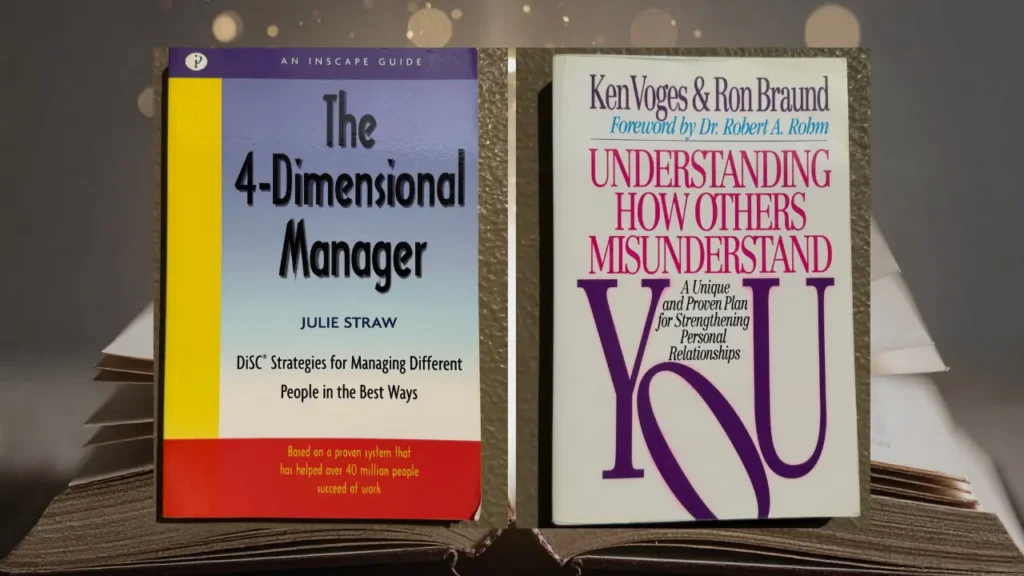
I immediately searched for resources, found English books, and even asked my husband—who happened to be on a business trip in the U.S.—to purchase them.
Eventually, I also discovered certification programs in Japan and started thinking about taking a formal training.
What I Do Today
After leaving my corporate career in 2018 and starting my own business, I have been using DiSC® as a core methodology in my work, including:
- Leadership development programs for managers
- Organizational development consulting
- Team-building workshops
- Communication improvement training
I’ve supported numerous organizations in improving both performance and workplace relationships.
Why DiSC® Matters More Than Ever Today
One of the most common challenges I see in organizations today is this:
Performance is not declining due to lack of capability—
but due to relationship friction.
Miscommunication and misunderstandings:
- Reduce productivity
- Create unnecessary conflict
- Prevent teams from achieving their goals
Making the Invisible Visible
DiSC® helps organizations:
- Visualize hidden interpersonal dynamics
- Understand sources of friction
- Take actionable steps toward improvement
What’s Next: Why I Traveled to Osaka While Unemployed
As I mentioned earlier, my decision to attend a DiSC® certification program didn’t happen immediately.
In fact, I hesitated.
At the time, I was between jobs—technically unemployed.
So why did I ultimately decide to travel to Osaka and invest in this learning?
I’ll share that story in my next article.

Interested in Applying DiSC® in Your Organization?
If you are interested in leveraging DiSC® for:
- Leadership development
- Organizational development
- Communication training
- Integration with 360-degree feedback
I invite you to explore more here:

Please feel free to reach out if these topics fit your needs.
Click on a topic in the menu below to view detailed services and solutions.
